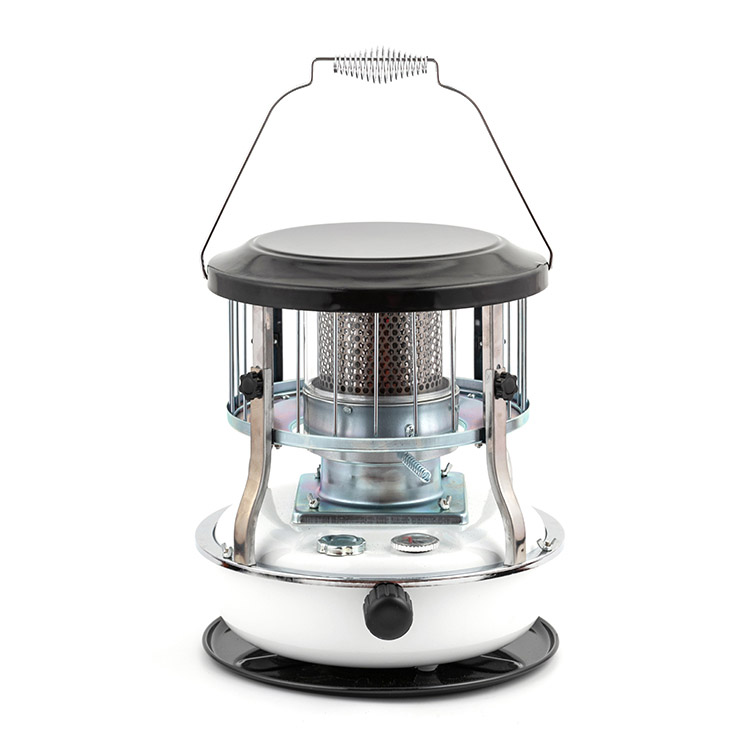
The 4.6L Glass Chimney Kerosene Heater has become a widely discussed heating solution in regions where stable, off-grid, or supplemental indoor warmth is required. Designed to operate independently of electricity, this type of heater is commonly applied in residential spaces, workshops, cabins, and emergency-preparedness scenarios. The defining feature of this product category is the integration of a high-capacity 4.6-liter fuel tank with a heat-resistant glass chimney, allowing for consistent flame visibility and controlled combustion.
How Does a 4.6L Glass Chimney Kerosene Heater Deliver Stable Heat Output?
At the core of the 4.6L Glass Chimney Kerosene Heater is a gravity-fed fuel system combined with a precision wick and chimney-assisted airflow. This configuration enables efficient combustion while maintaining a steady heat curve across extended operating periods.
Technical Parameters and Configuration
The following specifications outline the standard configuration of a professional-grade 4.6L Glass Chimney Kerosene Heater:
|
Parameter
|
Specification
|
|
Fuel Capacity
|
4.6 Liters
|
|
Fuel Type
|
Kerosene (No. 1-K recommended)
|
|
Chimney Material
|
Heat-resistant tempered glass
|
|
Heat Output Range
|
Approx. 9,000–12,000 BTU
|
|
Continuous Operation Time
|
Up to 18–20 hours per fill
|
|
Ignition System
|
Manual or piezo ignition
|
|
Wick Type
|
Adjustable cotton or fiberglass
|
|
Application Area
|
Indoor and semi-enclosed spaces
|
|
Safety Features
|
Tip-over shutoff, protective guard
|
The glass chimney serves a dual purpose: it stabilizes airflow around the flame while allowing users to visually monitor combustion quality. This transparency contributes to operational confidence and simplifies routine inspection during use.
Heat Distribution Logic
Heat is distributed primarily through radiant output, supplemented by natural convection. As the chimney heats, warm air rises and circulates evenly, minimizing sharp temperature gradients. This makes the heater suitable for sustained heating rather than rapid, short bursts of warmth.
Fuel Efficiency Considerations
A 4.6L fuel reservoir supports extended operation without frequent refueling. This capacity is particularly valuable in environments where fuel access may be limited or where uninterrupted heat is critical overnight or during severe weather conditions.
How Can a Glass Chimney Design Improve Heating Reliability in Daily Use?
The glass chimney structure represents a functional evolution in kerosene heater design. Unlike metal-only combustion chambers, glass chimneys provide direct feedback on flame stability, which plays a significant role in operational reliability.
Combustion Visibility and Control
By allowing constant visual access to the flame, the glass chimney enables users to:
-
Detect incomplete combustion early
-
Adjust wick height accurately
-
Maintain optimal flame shape for efficiency
This visibility reduces the likelihood of soot buildup and supports cleaner operation over time.
Durability and Thermal Resistance
Modern tempered glass chimneys are engineered to withstand rapid temperature changes. They maintain structural integrity under prolonged exposure to high heat, making them suitable for repeated daily cycles in colder seasons.
Indoor Adaptability
In indoor or semi-enclosed environments, controlled combustion is essential. The chimney design enhances airflow regulation, which helps reduce odor and smoke when properly maintained. This characteristic has contributed to the continued adoption of glass chimney heaters in residential settings.
Safety Integration
Glass chimney heaters are typically paired with metal guards and base stabilizers. When combined with automatic shutoff mechanisms, this structure provides layered protection against tipping or accidental contact, aligning with contemporary safety expectations.
How Is the 4.6L Glass Chimney Kerosene Heater Applied Across Different Usage Scenarios?
The versatility of the 4.6L Glass Chimney Kerosene Heater is a key factor behind its sustained market relevance. Its application extends beyond single-use cases, adapting to multiple environments and user needs.
Residential and Supplemental Heating
In homes, these heaters are often used as supplemental heat sources during peak winter demand. Their independence from electrical grids allows continued operation during power outages, ensuring thermal continuity.
Workshops and Utility Spaces
Garages, workshops, and agricultural buildings benefit from the heater’s ability to provide localized warmth without complex installation. The portability of most models supports flexible placement as work conditions change.
Emergency Preparedness and Remote Use
In regions prone to extreme weather or infrastructure disruptions, kerosene heaters remain a core component of emergency heating plans. The extended runtime of a 4.6L tank reduces logistical pressure during prolonged outages.
Seasonal and Recreational Applications
Cabins, hunting lodges, and seasonal accommodations often rely on kerosene heaters due to their straightforward operation and storage efficiency. The glass chimney further enhances usability in low-light conditions.
How Is the Market for Kerosene Heaters Expected to Evolve?
The continued relevance of kerosene heaters reflects broader trends in energy diversification and resilience planning. While electrification remains a global focus, demand for independent heating systems persists.
Design Optimization Trends
Manufacturers are refining wick materials, airflow pathways, and chimney geometries to improve combustion consistency. Enhanced glass formulations and protective coatings are also being adopted to extend product lifespan.
Safety and Compliance Development
Future models are increasingly aligned with stricter regional safety standards. Enhanced shutoff mechanisms, improved base stability, and clearer user indicators are shaping next-generation designs.
Consumer Preference Shifts
Users are placing greater emphasis on reliability, fuel efficiency, and ease of maintenance. The 4.6L capacity aligns well with these expectations, balancing portability with endurance.
Sustainability Considerations
While kerosene remains a fossil-based fuel, cleaner-burning formulations and optimized combustion designs are reducing emissions per heating hour. This incremental improvement supports continued market acceptance.
Common Questions About the 4.6L Glass Chimney Kerosene Heater
Q: How long can a 4.6L Glass Chimney Kerosene Heater operate on a single fill?
A: Under standard operating conditions, a full 4.6-liter tank can support continuous operation for approximately 18 to 20 hours, depending on wick height and heat output settings.
Q: Is a glass chimney heater suitable for indoor use?
A: When used according to manufacturer guidelines, with proper ventilation and clean fuel, glass chimney kerosene heaters are commonly applied indoors as supplemental heat sources.
Conclusion and Brand Perspective
The 4.6L Glass Chimney Kerosene Heater remains a practical heating solution for users who value autonomy, stability, and long-duration performance. Its technical structure, centered on a visible combustion system and high-capacity fuel tank, addresses both functional and safety-driven expectations across residential and utility applications.
Brands such as ZOOZAA continue to develop heating products that align with these requirements, focusing on consistent quality, refined engineering, and market-adapted designs. For organizations or distributors seeking detailed specifications, customization options, or long-term supply cooperation related to kerosene heating solutions, direct communication is encouraged.
Contact us to explore product information, technical support, and partnership opportunities tailored to regional market needs.