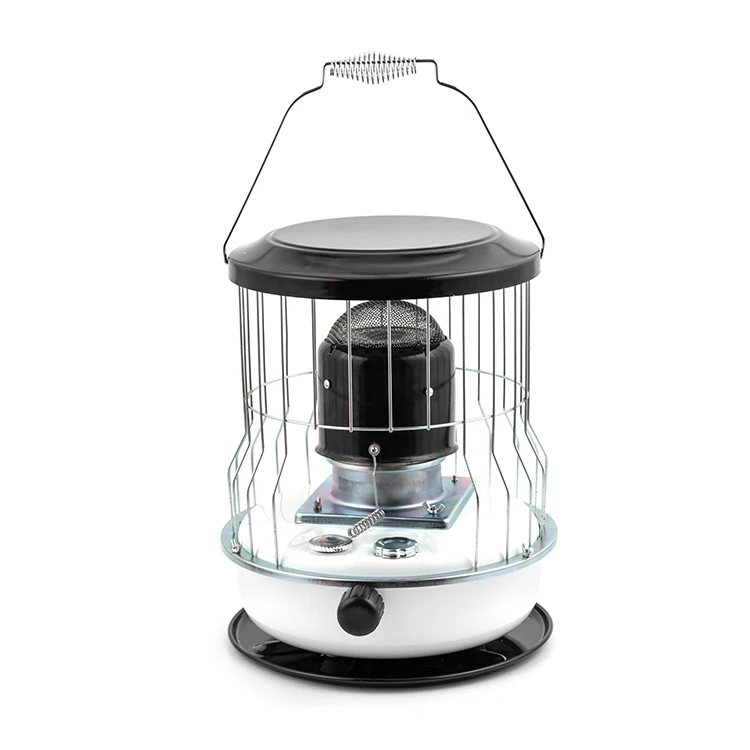
Industrial heating remains an essential part of manufacturing, warehousing, equipment maintenance, material processing, and many other commercial activities. As industries continue to focus on operational efficiency, workplace safety, environmental responsibility, and long-term reliability, heating equipment is expected to deliver more than simple temperature control. A modern Metal Chimney Kerosene Heater is increasingly recognized as a practical solution that combines dependable heating performance with durable construction and safe operation.The growing emphasis on sustainable industrial development has also encouraged manufacturers to improve heating technologies. Modern designs focus on optimizing fuel utilization, reducing unnecessary energy loss, and enhancing operational stability. These improvements help create more comfortable working environments while supporting broader efficiency objectives.
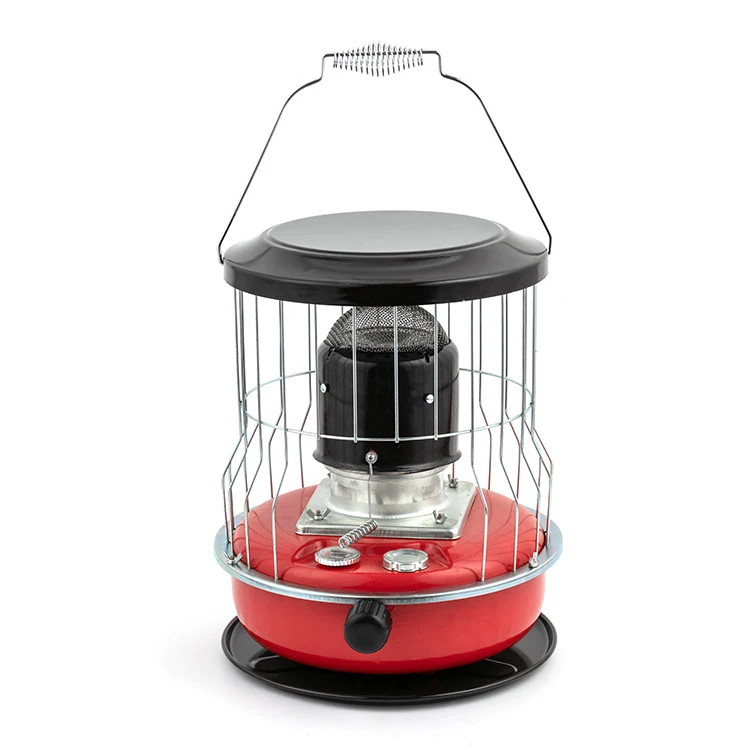
The Changing Requirements of Industrial Heating
Industrial facilities today operate in a highly competitive environment. Production continuity, equipment protection, and employee comfort all contribute to overall productivity. Heating systems therefore play an important role in maintaining smooth operations throughout different working seasons.
Traditional heating equipment often faces challenges related to uneven heat distribution, complicated maintenance procedures, or limited durability. Modern industrial users increasingly seek solutions that provide reliable performance while minimizing operational interruptions. This shift has accelerated the adoption of advanced heating technologies designed specifically for demanding applications.
Workplace Comfort and Productivity
A comfortable working environment supports concentration, operational efficiency, and overall workforce well-being. Consistent indoor temperatures can help maintain smooth workflows and reduce the impact of cold conditions on daily operations. Effective heating solutions contribute to a more stable environment for both personnel and equipment.
Protection of Equipment and Materials
Many industrial processes involve materials, machinery, and tools that perform best within specific temperature ranges. Inadequate heating can influence storage conditions and affect production efficiency. Reliable heating systems help protect valuable assets and support continuous operations.
Key Characteristics of Advanced Heating Solutions
Modern industrial heating equipment is expected to satisfy several important requirements simultaneously. Performance alone is no longer sufficient. Manufacturers and facility managers now evaluate products based on durability, energy efficiency, operational safety, maintenance convenience, and environmental impact.
Robust Structural Design
Industrial environments can be demanding. Equipment is often exposed to dust, vibration, temperature fluctuations, and continuous operation. Durable construction materials help ensure long service life and stable performance. Strong structural integrity also contributes to improved reliability and reduced maintenance requirements.
Efficient Combustion Performance
Combustion efficiency directly influences energy utilization and operating costs. Modern heating equipment is designed to support stable fuel combustion while maximizing thermal output. Effective combustion management helps reduce waste and supports consistent heating performance throughout extended operating periods.
Ease of Maintenance
Maintenance accessibility is another important consideration. Equipment that can be inspected, cleaned, and serviced efficiently helps reduce downtime and supports long-term operational stability. Simplified maintenance procedures are particularly valuable in industrial environments where uninterrupted operation is a priority.
Advantages of Metal Chimney Construction
The chimney plays a critical role in the overall performance of a heating system. Proper exhaust management supports safe operation and contributes to efficient combustion. For this reason, material selection for chimney components is an important aspect of product design.
Enhanced Durability
Metal chimney structures are valued for their strength and resistance to demanding operating conditions. They are capable of maintaining structural stability over extended periods of use, making them suitable for industrial applications where reliability is essential.
Improved Heat Resistance
High-quality metal materials are capable of withstanding elevated temperatures while maintaining performance integrity. This characteristic contributes to safe operation and long-term durability, particularly in environments where equipment may operate for prolonged periods.
Reliable Exhaust Management
Efficient exhaust flow supports cleaner combustion and helps maintain optimal operating conditions. Well-designed chimney systems contribute to overall heating effectiveness while supporting workplace safety objectives.
Operational Benefits in Industrial Applications
The practical value of a Metal Chimney Kerosene Heater becomes evident when examining its role in real-world industrial environments. Facilities require dependable heating equipment capable of supporting daily operations without introducing unnecessary complexity.
Consistent Heat Distribution
Uniform heating helps maintain stable temperatures throughout working areas. Effective heat distribution reduces temperature variations and creates a more comfortable environment for personnel while supporting operational efficiency.
Adaptability Across Industries
Industrial heating requirements vary significantly between sectors. Manufacturing facilities, storage environments, maintenance workshops, assembly operations, and logistics centers all present unique challenges. Flexible heating solutions capable of adapting to diverse operational requirements offer significant advantages.
Support for Continuous Operations
Many industrial facilities operate according to demanding schedules. Heating systems used in these environments must provide reliable performance while minimizing interruptions. Dependable equipment helps maintain production continuity and operational stability.
Environmental Considerations in Modern Heating
Environmental responsibility has become an important consideration across industrial sectors. Organizations increasingly seek technologies that align with sustainability objectives while maintaining strong operational performance.
Responsible Energy Utilization
Efficient fuel consumption contributes to reduced resource usage and improved operational efficiency. Heating systems designed with energy-conscious principles help organizations pursue long-term sustainability goals while maintaining productivity.
Reduced Operational Waste
Advancements in combustion technology and system design help reduce unnecessary waste generation. Improved efficiency supports cleaner operation and aligns with evolving environmental expectations within industrial markets.
Long Service Life
Durable products contribute to sustainability by reducing replacement frequency and minimizing material consumption over time. Long-lasting equipment supports both environmental and economic objectives.
Factors to Consider When Selecting Industrial Heating Equipment
Choosing the right heating solution requires careful evaluation of operational requirements and facility conditions. A systematic approach can help organizations identify equipment that delivers reliable performance and long-term value.
Facility Layout
The size and configuration of a facility influence heating requirements. Proper equipment selection should consider workspace arrangement, airflow characteristics, and operational demands.
Operational Conditions
Different industries present unique environmental challenges. Heating equipment should be selected according to the specific conditions in which it will operate, including workload expectations and maintenance capabilities.
Safety Features
Industrial users place significant importance on safety. Modern equipment often incorporates protective mechanisms designed to support safe operation and reduce potential risks during daily use.
Comparison of Important Evaluation Criteria
|
Evaluation Area
|
General Heating Equipment
|
Advanced Industrial Heating Solution
|
|
Structural Durability
|
Standard Performance
|
Enhanced Reliability
|
|
Heat Distribution
|
Variable Coverage
|
More Consistent Coverage
|
|
Maintenance Accessibility
|
Moderate Convenience
|
Simplified Servicing
|
|
Operational Stability
|
Application Dependent
|
Designed for Continuous Use
|
|
Safety Integration
|
Basic Protection
|
Comprehensive Protection
|
|
Environmental Focus
|
Conventional Approach
|
Efficiency-Oriented Design
|
Innovation and Product Development Trends
The industrial heating sector continues to evolve through ongoing research and engineering improvements. Manufacturers are investing in technologies that enhance safety, improve efficiency, and simplify operation.
Advanced Engineering Approaches
Product development efforts increasingly focus on improving combustion control, structural optimization, and heat management. These advancements contribute to better overall performance and increased operational reliability.
Quality-Oriented Manufacturing
Quality assurance remains a fundamental aspect of modern production. Careful material selection, precise manufacturing processes, and rigorous inspection procedures help ensure consistent product performance and customer satisfaction.
Customer-Focused Development
Industrial users often require solutions tailored to specific applications. Manufacturers that maintain close communication with global markets are better positioned to develop products that address evolving operational needs.
The Growing Role of Reliable Heating Technology
As industrial facilities continue to pursue efficiency, safety, and sustainability, dependable heating solutions will remain essential. Equipment that combines durable construction with effective performance offers meaningful advantages in a competitive marketplace.
A well-designed Metal Chimney Kerosene Heater supports industrial operations by providing dependable heating, efficient fuel utilization, and robust structural integrity. These characteristics make it a valuable option for organizations seeking practical and long-term heating solutions.
Conclusion
The future of industrial heating is increasingly shaped by the demand for reliability, efficiency, safety, and environmental responsibility. Organizations require heating equipment capable of supporting continuous operations while meeting modern performance expectations. Through durable construction, stable operation, and thoughtful engineering, a Metal Chimney Kerosene Heater represents a strong solution for a wide range of industrial applications.
Ningbo Zhongze Electronics Co., Ltd. has established a solid reputation through its dedication to product quality, innovation, and customer-focused development. With an experienced research and development team, comprehensive manufacturing capabilities, strict quality management practices, and a commitment to continuous improvement, the company provides dependable heating solutions for global markets. By emphasizing safety, energy conservation, environmental responsibility, and long-term value, Ningbo Zhongze Electronics Co., Ltd. continues to strengthen its position as a trusted manufacturer within the industrial heating industry.