Abstract
If you’ve ever tried to stay warm during a blackout, a winter camping trip, or a “my space heater just died” moment, you already know the pain points:
unreliable heat, strong odors, noisy fans, and the constant worry of safety in enclosed spaces. This article breaks down what a Glass Chimney Kerosene Heater actually does, why the glass chimney matters, and how to choose and use one in a way that feels practical
(and not like a science experiment). I’ll walk through comfort, fuel economy, setup, maintenance, and safety habits, then finish with a buyer checklist,
a simple comparison table, and an FAQ you can skim when you’re in a hurry.
Table of Contents
Outline
-
Define what a Glass Chimney Kerosene Heater is in plain English
-
Explain why the chimney material and shape affect flame stability and heat feel
-
Match real customer pain points to practical features
-
Give a clear buying checklist and safety routine
-
Show a spec table and a comparison table so decisions feel easy
-
Answer the questions people actually ask when they’re about to buy
What makes a glass chimney design different
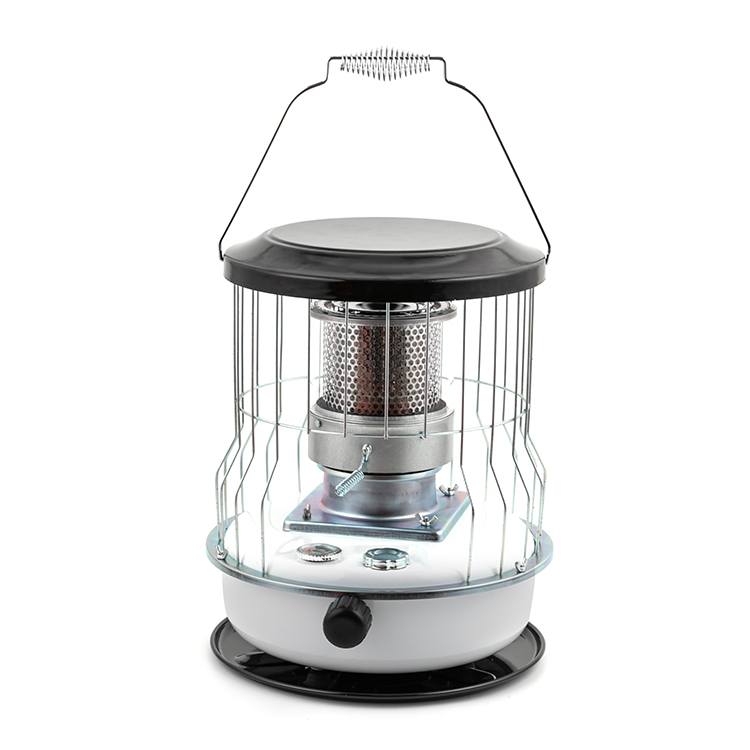
A Glass Chimney Kerosene Heater is a portable heater that burns kerosene through a wick-fed flame and uses a glass chimney to protect
and shape that flame. In real life, that “chimney” detail is not decoration. It influences three things you feel immediately: how steady the flame stays, how evenly warmth spreads, and how clean the burn behaves when the air moves
around (drafts, tent flaps, a door opening, or just people walking past it).
The glass chimney acts like a wind shield and a flame guide. It reduces direct draft disturbance and helps the heater maintain a consistent burn pattern.
That consistency is what many people describe as “steady warmth” instead of the annoying cycle of “hot for five minutes, then weak again.”
If your biggest frustration is uneven heat, a glass chimney style is worth serious attention.
Plain-language takeaway
-
Glass chimney helps stabilize the flame in normal airflow
-
Stable flame usually means more predictable warmth and fuel use
-
Better stability also makes it easier to “dial in” comfort
Which pain points it solves best
People don’t shop for heaters because it’s fun. They shop because something is uncomfortable, unreliable, or expensive. Here’s where a Glass Chimney Kerosene Heater typically shines when the goal is practical relief:
-
Blackouts and off-grid heating
You don’t need a plug, you don’t need a battery, and you’re not fighting extension cords. This matters when your priority is “heat that shows up.”
-
Drafty spaces that make other heaters feel weak
Garages, workshops, cabins, and tents can leak air constantly. A more stable flame can feel noticeably more consistent.
-
Noise sensitivity
There’s no blower fan. If you hate the constant whir of electric heaters, this is one of the simplest upgrades to your sanity.
-
Cost control
When electricity prices jump or you’re trying to heat a single zone rather than the whole building, liquid-fuel heat can be a reasonable strategy.
-
Warmth that “feels” natural
Many users describe wick heaters as producing a comfortable, radiant-style warmth rather than drying, forced air.
A safety reality check
Any fuel-burning heater can produce harmful gases if used incorrectly. If you plan to use a kerosene heater indoors, you should treat ventilation and
a working carbon monoxide alarm as non-negotiable habits. Comfort is not worth gambling with air quality.
How I choose the right model for a room or a campsite
Choosing a Glass Chimney Kerosene Heater gets much easier when you ignore hype and focus on three questions: Where will it run, how long must it run, and how much warmth do you actually need.
Buyer checklist
-
Heating area target that matches your real use (small room vs. open workshop vs. tent)
-
Fuel tank capacity for the runtime you want (short emergency use vs. overnight)
-
Fuel consumption rate so you can estimate daily cost and refill frequency
-
Flame adjustability for comfort tuning rather than “full blast only”
-
Stability and base design because tipping is the risk nobody wants to discover the hard way
-
Wick quality and availability because the wick is the heart of consistent performance
-
Glass chimney protection during transport (especially for camping gear loads)
If you’re sourcing for business use (retail, distribution, or project supply), I also look at manufacturer reliability:
production consistency, documentation, and support responsiveness. This is where a specialist manufacturer like Ningbo Zhongze Electronics Co., Ltd. can matter, especially if you need stable batches, private labeling, or a dependable spare-parts plan.
Quick spec table and what the numbers really mean
Spec sheets are useful, but only if you know how to read them. The table below shows a common mid-size profile you’ll see for portable Glass Chimney Kerosene Heater models, and what each number means for your day-to-day use.
|
Spec
|
Typical range
|
What it means for you
|
|
Heat output
|
Around 7,800–9,000 BTU per hour
|
Higher output warms faster but can consume more fuel if you run it wide open
|
|
Heating area guidance
|
Roughly 15–22 m² depending on conditions
|
Real performance depends on insulation, drafts, and ceiling height
|
|
Fuel tank capacity
|
About 4–5 liters on many mid-size units
|
Bigger tank usually means longer runtime between refills
|
|
Fuel consumption
|
Often near 0.25 liters per hour at a steady burn
|
This is your cost calculator number and your “how often do I refill” number
|
|
Ignition
|
Match or manual ignition on many traditional designs
|
Simple, reliable, and not dependent on batteries
|
My rule of thumb If you want overnight warmth, prioritize fuel tank size and consumption rate first. If you want fast warm-up, prioritize
heat output and flame adjustability. If you want “set it down and stop worrying,” prioritize base stability and a protective chimney design.
Set up and first burn without the usual headaches
A lot of the “kerosene heaters are messy” reputation comes from rushed setup. If you want your Glass Chimney Kerosene Heater to run
smoothly, your first burn is where you build the foundation for low odor and stable heat.
-
Start in a ventilated area for the first burn or after long storage. This helps clear any initial manufacturing residues or stale fuel smell.
-
Use clean, appropriate kerosene. Old or contaminated fuel is the fast lane to odor, soot, and weak performance.
-
Let the wick soak fully after filling. A dry wick leads to uneven flame and frustration.
-
Light gently and observe. You want an even flame pattern. If it’s lopsided, don’t force it—adjust and let it stabilize.
-
Keep the area clear. Don’t crowd the heater with fabric, paper, or gear “just for a second.” Seconds are how accidents happen.
Small habit that makes a big difference
When you’re done heating, let the unit cool completely before moving it. Most “glass chimney damage” stories come from transport while the heater is still warm.
Comfort tuning for warmth without “stuffy room” regret
If you’ve ever felt warm but weirdly dizzy or headachy after using a fuel heater, you already understand the core rule: warmth is not the only metric. Comfort is warmth plus air quality.
-
Ventilation rhythm Crack a window or door slightly, especially in smaller rooms. The goal is fresh air exchange without turning the room into an icebox.
-
Use a carbon monoxide alarm Put it where you sleep or where the heater is used most often.
-
Dial back after warm-up Run higher output briefly, then reduce flame for steady maintenance. This is how you stretch fuel and avoid overheating.
-
Zone heating strategy Close interior doors and heat the room you’re actually using, not the entire building.
-
Humidity awareness Heated air can feel drier. If your throat feels scratchy, a small bowl of water in the room (away from the heater) can help comfort.
Maintenance that keeps performance stable
The best part about a Glass Chimney Kerosene Heater is that it’s mechanically straightforward. The downside is that it will also
clearly “tell on you” if you neglect the basics. Here’s what I keep consistent:
-
Wick care Keep the wick clean and trimmed according to the product instructions. A poor wick equals odor, soot, and unstable flame.
-
Chimney cleaning If the glass starts to haze, performance and visibility suffer. Clean gently with appropriate materials once cooled.
-
Fuel discipline Don’t mix questionable fuel with fresh fuel. If the heater sits unused for a long time, consider draining and refilling with clean kerosene.
-
Check seals and connections Look for leaks or damage before each season of use.
-
Storage routine Store in a dry place, protect the glass chimney, and keep it away from heavy items that can shift and strike it.
If your heater suddenly smells stronger than normal, produces soot, or the flame looks uneven, don’t “power through.”
Stop, ventilate, and troubleshoot. Most issues are solvable, but ignoring them compounds the risk.
Comparison table with common alternatives
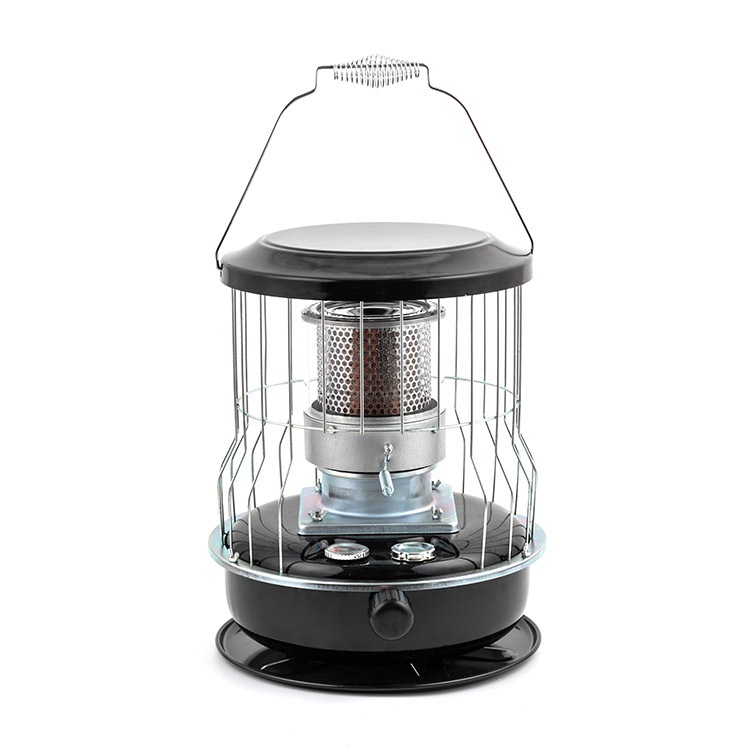
When people compare heating options, they usually care about five things: reliability, operating cost, comfort, noise, and practicality in emergencies.
Here’s a simple way to think about where a Glass Chimney Kerosene Heater fits.
|
Option
|
Strengths
|
Trade-offs
|
|
Glass chimney kerosene heater
|
No electricity needed, quiet, stable flame feel, good for off-grid and zone heating
|
Requires safe ventilation habits, fuel handling, glass chimney care
|
|
Electric space heater
|
Simple operation, no fuel storage, often compact
|
Useless during outages, can be expensive to run, fan noise on some models
|
|
Propane heater
|
Strong heat output, widely available fuel options
|
Fuel cylinders, ventilation needs, sometimes higher perceived odor
|
|
Wood stove
|
Great for long-term heating, strong radiant warmth
|
Not portable, installation required, not a quick “grab and go” solution
|
FAQ
-
Does a Glass Chimney Kerosene Heater smell during operation?
-
A well-tuned heater using clean fuel and a healthy wick should not produce a strong odor during stable operation. Odor spikes often come from
poor fuel, an uneven wick, or lighting and shutting down without proper technique. Ventilation also matters for comfort.
-
Is it safe to use a kerosene heater indoors?
-
Fuel-burning heaters require serious safety habits indoors. Use a carbon monoxide alarm, maintain ventilation, keep clearances from combustibles,
and follow product instructions closely. If you cannot ventilate appropriately, don’t force indoor use.
-
How long can it run on one tank?
-
Runtime depends on tank size and flame setting. Many mid-size models are designed to run for many hours when tuned for steady heat rather than maximum output.
Use fuel consumption rate and tank capacity to estimate your refill schedule.
-
What breaks first on these heaters?
-
The most common wear item is the wick, because it’s constantly managing fuel delivery. Glass chimneys can also be damaged during transport if not protected.
Buying from a supplier with clear spare-parts support makes ownership much easier.
-
Can I cook with a glass chimney kerosene heater?
-
Some designs support basic warming or simple cooking tasks, but you should treat this as model-specific. Cooking use changes heat dynamics and
safety considerations, so follow the manufacturer’s guidance for your specific unit.
-
What should I look for if I buy for resale or project supply?
-
Prioritize consistent specifications, stable production, packaging quality, and responsive support. If you need branding, labeling, or bulk sourcing,
work with an established manufacturer such as Ningbo Zhongze Electronics Co., Ltd. and confirm your requirements up front.
Next steps
The best reason to choose a Glass Chimney Kerosene Heater is simple: it offers dependable, quiet warmth when you can’t rely on the grid,
and it does it with a design that’s easy to understand and maintain. If you match the heater to your real space, follow a consistent setup routine,
and treat ventilation and monitoring as normal habits, it can become one of those purchases you’re grateful you made before you “needed” it.
Ready to pick the right model for your market or your project?
Tell us your target heating area, preferred tank size, and usage scenario (indoor backup heat, workshop, camping, or distribution).
We’ll recommend a practical configuration and share sourcing details. If you want pricing, lead time, or OEM options, contact us and we’ll get back to you with a fast, straightforward quote.