Article Abstract
A Metal Chimney Kerosene Heater is often chosen for one simple reason: it can deliver steady heat when
electricity is unreliable or unavailable. But buyers usually have the same worries—odor, indoor air concerns, fuel
consumption, tipping risks, and “Will this actually warm the space I care about?”
This guide breaks down what the metal chimney design changes, how to choose a heater that matches your room and usage
habits, and how to run it cleanly with fewer headaches. You’ll also get practical checklists, a comparison table, common
troubleshooting tips, and an FAQ section you can bookmark.
Article Outline
-
Explain the “metal chimney” concept in plain language
-
Address odor, ventilation, and safety concerns with practical rules
-
Match heater choices to room size, usage frequency, and lifestyle
-
Provide clean-start, clean-shutdown routines and fuel handling tips
-
Offer maintenance and troubleshooting guidance
-
Include a comparison table, buyer checklist, and FAQs
What a Metal Chimney Kerosene Heater Is and What It’s Good At
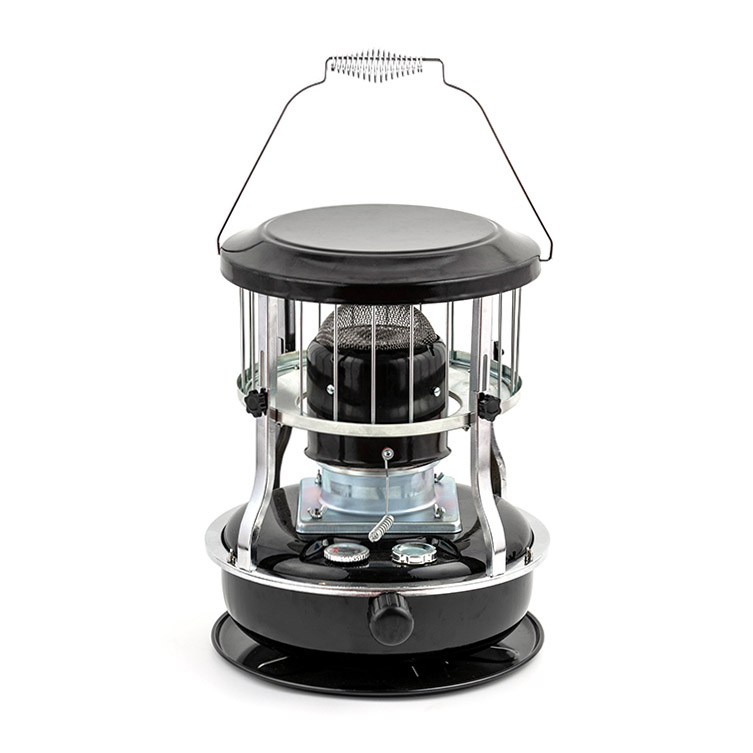
Think of a Metal Chimney Kerosene Heater as a kerosene heater that emphasizes controlled airflow and
stable heat delivery. The “metal chimney” element is commonly used to guide hot air and combustion byproducts upward in
a more organized way than very simple radiant designs. In real-world use, that usually translates into:
-
More predictable heat direction (helpful when you’re heating a specific room zone)
-
Better heat “reach” for workshops, garages, cabins, and enclosed outdoor setups
-
Stronger performance during power outages because it doesn’t depend on the grid
-
Portability compared with permanent stoves and fixed installations
Reality check: Any kerosene heater is still a combustion appliance. The metal chimney design can improve
usability and comfort, but it doesn’t remove the need for sensible ventilation, correct fuel, and safe placement.
If you’re shopping because you’re tired of freezing during outages, or you need dependable heat for a workspace, this
category can be a strong fit—especially when your priorities are stability, portability, and straightforward operation.
The Biggest Buyer Pain Points and How to Avoid Them
Pain point 1: “I’m worried it will smell.”
Odor complaints usually come from three causes: using the wrong fuel, improper ignition/shutdown, or dirty components.
To reduce smell, focus on habits—not magic.
-
Use clean, appropriate kerosene from a reputable source and store it sealed.
-
Start and stop correctly: allow the heater to stabilize after lighting; avoid sudden snuffing unless it’s an emergency.
-
Keep the wick and burner area clean so combustion stays consistent.
Pain point 2: “Is it safe indoors?”
Indoor use depends on following manufacturer instructions and local safety rules. The safest path is to treat it like a
serious heat appliance:
Non-negotiables:
-
Operate in a well-ventilated area as recommended by the manufacturer.
-
Keep clearances from curtains, furniture, paper, and anything flammable.
-
Never refuel while the heater is hot or operating.
-
Use a stable, level surface and protect against tipping (especially with kids/pets).
-
Install a carbon monoxide alarm and smoke alarm where appropriate.
Pain point 3: “I don’t want to waste fuel.”
Fuel efficiency comes from matching the heater output to your space and avoiding “heat leaks.” A heater that’s too big
may overheat the room and push you into constant cycling (and more shutdown odor). Too small, and it runs hard without
delivering comfort.
-
Seal drafts (door sweeps, window film, basic insulation steps).
-
Heat the zone you actually use rather than the whole building.
-
Use a steady setting instead of aggressive up/down changes.
Pain point 4: “I’m worried about maintenance and mess.”
The secret is a simple routine. A few minutes per week beats a frustrating mid-winter failure.
Low-effort routine: wipe exterior dust, check the wick behavior, and keep fuel containers clean and labeled.
How to Choose the Right Heater for Your Space and Routine
Most buyers choose a Metal Chimney Kerosene Heater for one of three lifestyles. Identify yours, then shop
accordingly.
|
Use Case
|
What You Should Prioritize
|
Common Mistake to Avoid
|
|
Emergency backup (power outages)
|
Easy ignition, stable base, clear safety features, simple controls
|
Buying “max output” instead of “right-sized” for the room you’ll shelter in
|
|
Workshop / garage
|
Directional heat delivery, sturdy build, easy cleaning access
|
Using it near solvents, sawdust piles, or flammable storage
|
|
Cabin / off-grid routine
|
Comfortable steady warmth, dependable parts, predictable upkeep
|
Ignoring ventilation planning and treating it like “set and forget”
|
Picking the right size without overcomplicating it
Instead of chasing numbers, use a practical approach: choose the heater to comfortably warm the room where you spend the
most time, then reduce heat loss (drafts, insulation, doors). If your space is open-plan, drafty, or has high ceilings,
you’ll need more output than a small bedroom would.
Key features that matter in daily life
-
Tip-over protection: crucial if your home has pets, kids, or narrow walkways.
-
Clear fuel level visibility: helps you plan refills instead of getting surprised.
-
Accessible cleaning points: makes it easier to keep combustion stable and odor lower.
-
Build quality: solid metal parts and consistent assembly reduce rattles and long-term wear.
If you’re sourcing for distribution, projects, or brand procurement, it’s also worth working with a manufacturer that
understands export requirements and documentation workflows. Ningbo Zhongze Electronics Co., Ltd. is one
example of a company offering this product category for global buyers looking for dependable seasonal heating solutions.
Smart buying tip: Ask for a clear operation guide, parts availability (especially wicks), and packaging
suitable for your shipping lanes and warehousing.
Setup and Daily-Use Habits for Cleaner, More Comfortable Heat
Most frustrations happen in the first week. A little discipline early gives you a heater that feels “calm” instead of
“fussy.”
Placement rules that prevent 80% of accidents
-
Keep it on a level surface with a clear perimeter (no dangling fabric nearby).
-
Do not place it in high-traffic paths where someone will bump it at night.
-
Keep fuel containers away from the heater zone—store them sealed and separate.
-
Plan ventilation intentionally (cracking a window slightly can be part of the routine, per manufacturer guidance).
Cleaner ignition routine
-
Double-check the heater is stable and the area is clear.
-
Confirm you’re using appropriate fuel and there are no drips or spills.
-
Light according to the manufacturer’s steps and allow a brief stabilization period.
-
Adjust gradually—avoid aggressive rapid changes that can disrupt combustion stability.
Cleaner shutdown routine
-
Reduce intensity gently if your model supports it.
-
Follow the recommended extinguishing method; avoid creating smoke with sudden improper shutdown.
-
Let it cool completely before moving, covering, or refueling.
Refueling warning: Refueling while hot is one of the most common and serious mistakes. Treat “cool first”
as an unbreakable rule.
Maintenance That Keeps Performance Stable Season After Season
A Metal Chimney Kerosene Heater rewards consistency. You don’t need to “baby” it—you just need to avoid
neglect.
Weekly quick-check (5–10 minutes)
-
Wipe dust from air intake areas (dust can affect combustion quality).
-
Check for unusual odor spikes, soot, or smoke during start/shutdown.
-
Inspect for any fuel drips and keep the exterior clean.
Monthly or mid-season check
-
Follow the manual’s guidance for inspecting or trimming/servicing the wick (model-specific).
-
Clean accessible burner components as recommended.
-
Confirm safety devices (if included) function as expected.
End-of-season storage
-
Store in a dry, dust-controlled space.
-
Keep spare consumables (like wicks) in sealed packaging.
-
Label your fuel containers clearly and dispose of old fuel responsibly per local rules.
Symptom-to-fix quick guide:
Smell increases Smoke at startup Weak heat Uneven flame
These usually point to fuel quality, wick condition, dust buildup, or overly aggressive control changes. Start with
the simplest checks: correct fuel, correct routine, clean surfaces, and wick inspection per the manual.
Comparison Table and Quick Decision Shortcuts
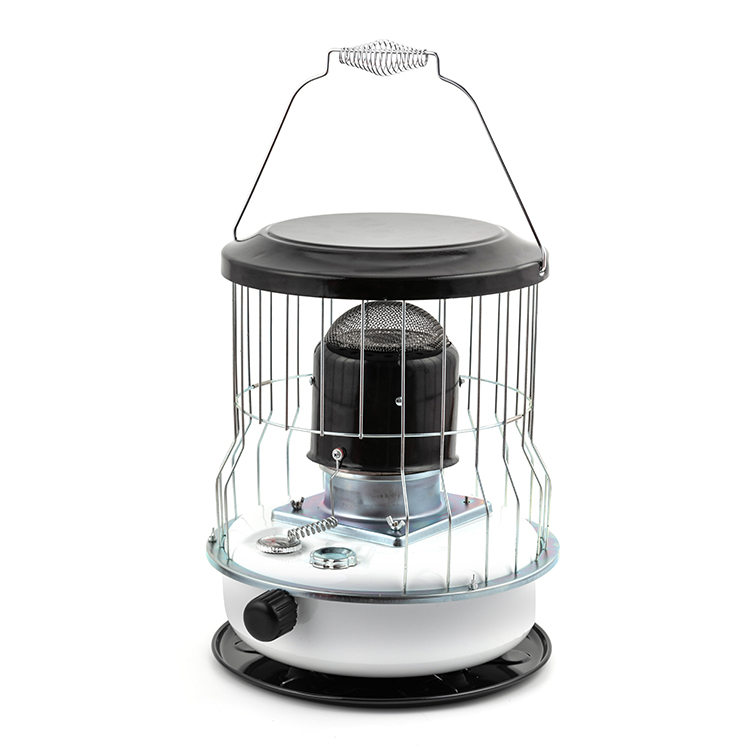
If you’re deciding between heating options, here’s a practical comparison focused on real buyer concerns (not marketing
fluff).
|
Option
|
Best For
|
Trade-Offs
|
|
Metal Chimney Kerosene Heater
|
Off-grid warmth, outage readiness, workshops, cabins
|
Requires correct fuel handling, ventilation planning, and periodic upkeep
|
|
Electric space heater
|
Small rooms with stable electricity
|
Useless in outages; can trip circuits; electricity cost varies
|
|
Propane heater
|
Well-ventilated spaces, some outdoor/garage use
|
Fuel cylinders, ventilation constraints, and storage considerations
|
|
Wood stove
|
Long-term, whole-home heating in suitable installations
|
Requires installation, chimney system, wood supply, and ongoing cleaning
|
Quick decision shortcuts
-
If you need heat during outages and want portability, start with a Metal Chimney Kerosene Heater.
-
If you only heat a tiny room and power is stable, electric may be simpler.
-
If you want a permanent home-heating solution and can install properly, consider a stove-based approach.
Buyer checklist you can copy:
-
Where will it be used (bedroom, living room, workshop, cabin)?
-
How will you ventilate safely per the manufacturer’s guidance?
-
Who is in the space (kids, pets, elderly) and how will you prevent tipping?
-
Do you have a clean fuel storage plan and labeled containers?
-
Do you have alarms installed where appropriate (CO/smoke)?
-
Do you know how to get replacement consumables (like wicks) when needed?
FAQ
Does a Metal Chimney Kerosene Heater reduce odor compared with basic designs?
It can feel cleaner in everyday use when airflow and heat direction are more controlled, but odor is still mostly
determined by fuel quality, wick condition, and how you start and shut down. Clean routine beats “wishful thinking.”
What fuel should I use?
Use the fuel type recommended by the manufacturer and source it from reputable suppliers. Store it sealed, keep it away
from heat sources, and avoid mixing unknown fuels.
Can I run it all night?
Follow the manufacturer’s safety guidance and your local rules. If you plan overnight use, prioritize ventilation
planning, stable placement, and appropriate alarms. Many buyers choose to heat the room, then reduce output or shut down
before sleep depending on their environment and comfort level.
Why is the heat weaker than I expected?
Common reasons include a space that’s larger or draftier than expected, suboptimal placement, wick condition, or a
heater that’s not sized for the application. Start by sealing drafts and heating a smaller zone, then check the wick and
routine per the manual.
What should I do if I see smoke?
If smoke appears during startup or shutdown, review your ignition/shutdown steps and check for dust buildup or wick
issues per the manufacturer instructions. If smoke is persistent or heavy, stop using the heater and inspect it carefully
before restarting.
How often do I need maintenance?
Light weekly checks plus a mid-season inspection is a practical baseline for many households. The exact schedule depends
on usage frequency and the manufacturer’s instructions.
Next Steps
A Metal Chimney Kerosene Heater is a tool—when it’s sized correctly and used with a clean routine, it can
turn “winter stress” into “steady comfort.” Your best results come from matching the heater to the room you actually live
in, adopting safe placement and refueling rules, and keeping basic maintenance consistent.
If you’re evaluating options for home backup heating, workshop warmth, or off-grid projects, Ningbo Zhongze Electronics Co., Ltd. can help you choose a suitable configuration and answer practical questions about sourcing and usage—contact us to discuss your requirements.