Abstract
A Glass Chimney Kerosene Heater is one of those products people rediscover when the power goes out, when a workshop needs dependable heat, or when “simple and repairable” starts sounding smarter than “smart.” But buyers often hesitate for the same reasons: odor, indoor air worries, safety, fuel handling, and the fear of buying something that’s annoying to maintain.
In this guide, I’ll walk through the real-world pain points—what causes them, how to prevent them, and what to look for so your heater runs cleaner, steadier, and safer. Along the way, I’ll share practical checklists, a comparison table, troubleshooting tips, and an FAQ to help you make a confident decision. This article is written with everyday users in mind, including homeowners, cabin owners, and small business operators who want heat they can count on.
If you’re evaluating options from manufacturers such as Ningbo Zhongze Electronics Co., Ltd., you’ll also find a clear buying framework to compare models and avoid common mistakes.
Table of Contents
Outline
-
Clarify how a Glass Chimney Kerosene Heater works and what it’s designed for
-
Map buyer concerns (odor, air quality, safety, cost, maintenance) to practical solutions
-
Explain why the glass chimney matters for flame stability and user visibility
-
Provide a selection checklist and setup guidance for cleaner operation
-
Share maintenance and troubleshooting steps to keep performance consistent
-
Offer an easy comparison table and FAQ to finish the decision
What is a Glass Chimney Kerosene Heater?
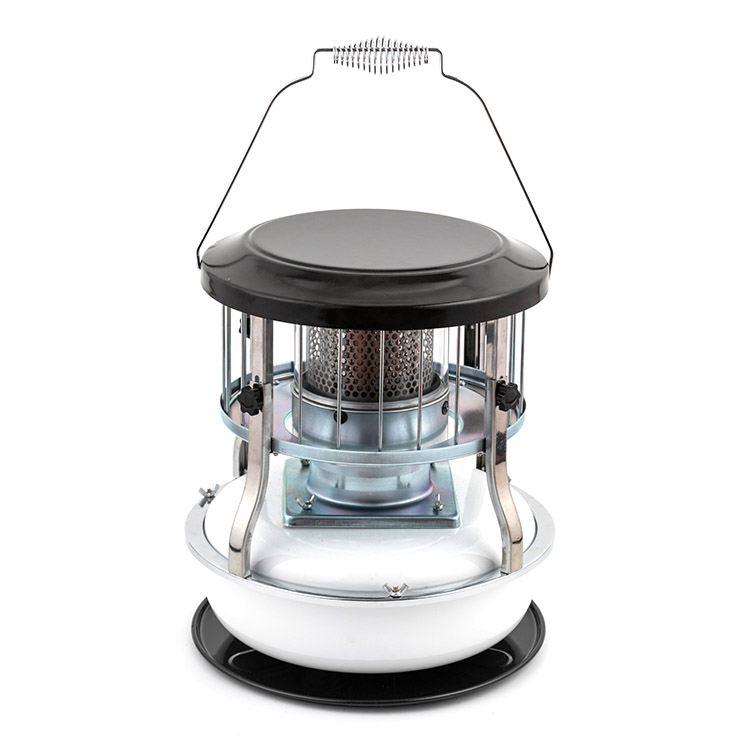
A Glass Chimney Kerosene Heater is a portable, fuel-powered heater that uses a wick to draw kerosene upward, where it burns as a controlled flame. The “chimney” (often a heat-resistant glass cylinder) helps guide airflow and stabilize combustion. In many designs, the heater radiates warmth outward while also warming air that circulates around the heated components.
People usually shop for this type of heater when they want:
-
Backup heat during outages
-
Off-grid heating for cabins, garages, workshops, or job sites
-
A simple heater that doesn’t depend on electricity
-
Portable warmth that can move room to room (when used responsibly and with space in mind)
The key word here is practical. These heaters aren’t luxury gadgets. They’re about reliability, predictability, and control—especially when everything else is uncertain.
What pain points do buyers worry about most?
Most people don’t reject kerosene heat because they hate warmth. They reject it because they fear the “mess” around it. Here’s a realistic breakdown:
|
Concern
|
What usually causes it
|
What helps in real life
|
|
Strong odor
|
Low-quality fuel, spills, over-high flame, dirty wick
|
Use clean kerosene, avoid topping off indoors, adjust flame correctly, keep wick maintained
|
|
Smoke or soot
|
Flame too high, poor ventilation, carbon buildup, incorrect wick height
|
Lower flame, ensure airflow, clean or replace wick, follow recommended burn-in steps
|
|
Indoor air worries
|
Insufficient ventilation, running too long in a sealed space
|
Ventilation plan, CO alarm, avoid bedrooms, follow usage limits for your room size
|
|
Fire/tip-over risk
|
Unstable placement, clutter, pets/kids, misuse during refueling
|
Stable surface, clearance rules, refuel when cool, choose models with safety features where possible
|
|
Maintenance frustration
|
Ignoring wick care, storing fuel incorrectly, skipping periodic cleaning
|
Simple routine: wick checks, seasonal cleaning, proper storage, spare parts readiness
|
Notice something important: most “kerosene heater problems” are not mysteries. They are predictable outcomes of fuel quality, flame adjustment, ventilation, and maintenance. If you’re the type who likes tools that behave logically, you’ll probably like how controllable a Glass Chimney Kerosene Heater can be.
How does the glass chimney affect performance?
The glass chimney isn’t just for looks. It can influence how the flame behaves and how confidently you operate the heater.
-
Flame visibility: You can quickly see if the flame is even, too high, or flickering—before smoke becomes a problem.
-
More stable airflow path: The chimney helps guide airflow around the combustion area, which can support steadier burning when set up correctly.
-
Heat feedback: Visual cues (color, height, symmetry) help you fine-tune the flame for cleaner operation.
A simple rule of thumb: if you can’t easily judge the flame, you’re more likely to run it too hot. And “too hot” is where odor and soot usually start showing up.
How do I choose the right heater for my space?
If you buy based on a single number (like maximum output), you might end up with a heater that’s technically powerful but practically annoying. Instead, I recommend choosing based on your real usage scenario.
Ask yourself these decision questions:
-
Is this for emergency backup in a living area, or daily use in a workshop?
-
How large is the space, and can I ventilate it?
-
Do I need portability, or will it stay in one place?
-
Do I want longer runtime per fill, or easier handling and smaller fuel volume?
-
Will pets or children be in the environment?
Quick selection checklist:
-
Clear flame adjustment control that feels precise (not “loose” or vague)
-
A stable base design and sensible clearance recommendations
-
Easy access to consumables (especially wicks) and support resources
-
Fuel tank design that makes clean filling easier
-
Build quality you can feel: smooth controls, sturdy housing, protected hot surfaces
Manufacturers like Ningbo Zhongze Electronics Co., Ltd. typically provide product options for different use cases. The smartest move is matching the heater to your environment instead of buying “the biggest one.”
How should I set it up for cleaner indoor use?
Let’s be blunt: kerosene heaters are not “set it and forget it” indoor appliances. They demand a responsible setup. If you do that, you can dramatically reduce complaints about odor and smoke.
Setup rules that prevent most problems:
-
Place the heater on a stable, non-flammable surface with generous clearance on all sides.
-
Keep it away from curtains, bedding, stacked boxes, aerosols, and anything that can melt or ignite.
-
Plan ventilation before you light it. A small amount of airflow often makes a big difference.
-
Use a carbon monoxide alarm in the same general area.
-
Avoid using any kerosene heater in bedrooms or tightly sealed micro-spaces.
If you’re buying a Glass Chimney Kerosene Heater for emergencies, practice once when conditions are calm. You don’t want your first test run to be at 2:00 a.m. during a winter outage.
How do I reduce odor and smoke in daily operation?
Odor and smoke are usually a signal, not a personality trait of the heater. Here’s how to fix the common triggers.
-
Fuel quality matters: Use clean kerosene from a reputable source. Contaminated fuel burns dirtier and smells stronger.
-
Refuel smart: Avoid spilling. Refuel when the heater is cool, and keep fuel handling tidy and deliberate.
-
Don’t run the flame too high: Many users chase “maximum heat” and accidentally push combustion into a smoky range.
-
Let the heater settle: The first minutes can be a little different than steady-state burning. Adjust after it stabilizes.
-
Ventilation isn’t optional: Even a small crack of airflow can reduce lingering smell and improve comfort.
If you do just two things—use clean fuel and avoid over-high flame—you’ll prevent a surprising percentage of odor complaints.
What maintenance actually matters?
Maintenance doesn’t need to be dramatic. It just needs to be consistent. Think of it like caring for a good kitchen knife: simple habits keep everything smooth.
-
Wick care: The wick is the heart of your Glass Chimney Kerosene Heater. If it’s dirty, uneven, or carbonized, combustion suffers.
-
Chimney cleanliness: A dirty chimney makes it harder to visually judge flame quality and can indicate incomplete combustion.
-
Seasonal storage: Store fuel safely and keep the heater protected from moisture, dust, and rough handling.
-
Spare parts readiness: If you rely on this for emergencies, having spare wicks and basic accessories is cheap insurance.
A simple routine you can follow:
-
Weekly during heavy use: quick visual inspection of flame behavior and wick condition
-
Monthly: wipe exterior, check for dust buildup, review ventilation habits
-
End of season: deeper cleaning, wick evaluation, safe storage planning
What safety checks should never be skipped?
This section matters the most. If you want comfort without stress, treat safety like a habit, not a lecture.
-
Never refuel a hot heater: Wait until it’s cool to the touch.
-
Keep a clear perimeter: No clutter, no hanging fabric, no “just this one box next to it.”
-
Use alarms: Carbon monoxide alarms are a small cost for a big layer of confidence.
-
Plan for people and pets: If your environment is busy, stability and placement become even more important.
-
Know your shutdown process: Practice turning it down and off calmly, so you don’t panic during a real incident.
A kerosene heater rewards calm, methodical use. If you’re reckless, it will punish you. If you’re disciplined, it becomes one of the more reliable heat tools you can own.
What should I do when the flame looks wrong?
The glass chimney gives you a huge advantage: you can diagnose problems early by watching the flame.
Common flame symptoms and what they usually mean:
-
Flame is too tall: Lower the setting. Too-high flame often leads to soot and odor.
-
Flame flickers a lot: Check placement for drafts, confirm the heater is level, and reassess ventilation approach.
-
Uneven flame shape: Wick may be uneven or dirty. Maintenance is likely needed.
-
Smoke appears quickly after lighting: Let it stabilize briefly, then adjust downward. If it persists, check fuel quality and wick condition.
-
Smell is strong even at low flame: Suspect fuel contamination, spillage residue, or a wick that needs attention.
When in doubt, turn it down, let it cool, and inspect rather than trying to “power through.” That habit alone prevents most bad experiences.
Comparison table and quick decision guide
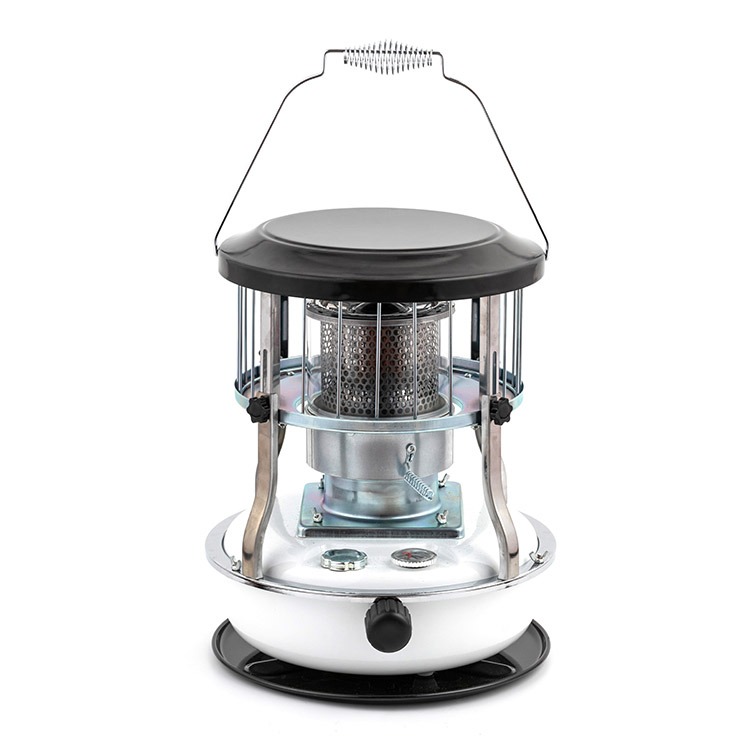
If you’re choosing between heating options, here’s a straightforward comparison you can use without overthinking.
|
Option
|
Strengths
|
Trade-offs
|
Best for
|
|
Glass Chimney Kerosene Heater
|
Works without electricity, portable, controllable heat, visible flame feedback
|
Needs ventilation and responsible operation, fuel handling required
|
Outages, off-grid spaces, workshops, backup heat planning
|
|
Electric space heater
|
Simple, clean, minimal maintenance
|
Useless during outages, can be costly to run depending on rates
|
Daily indoor comfort where power is reliable
|
|
Propane heater
|
High heat output, widely available fuel in many regions
|
Fuel storage considerations, ventilation requirements, equipment compatibility
|
Garages, job sites, well-ventilated areas
|
A quick decision guide:
-
If you want outage-proof heat and you can manage ventilation responsibly, a Glass Chimney Kerosene Heater is a strong choice.
-
If your main priority is effortless daily indoor heating and you trust your electrical supply, electric may feel easier.
-
If you need very high output and you’re operating in a more open or rugged space, propane can be compelling.
FAQ
-
Can I use a Glass Chimney Kerosene Heater indoors?
-
It can be used in indoor environments only when you follow responsible ventilation and safety practices, including alarms and proper placement. Avoid bedrooms and tightly sealed spaces, and always follow the guidance provided with your specific model.
-
Why does my heater smell more at startup or shutdown?
-
Smell often increases when combustion isn’t fully stabilized. Startup and shutdown are the most likely times for slight imbalance, especially if the flame is set too high or the wick condition isn’t ideal. Clean fuel, correct adjustment, and good habits reduce this.
-
How often do I need to replace the wick?
-
It depends on usage intensity, fuel quality, and maintenance habits. If you notice uneven flame, persistent odor, or performance drop even after cleaning, the wick may be due for replacement.
-
What’s the advantage of a glass chimney compared to other designs?
-
Visibility and feedback. Being able to see flame shape and stability helps users adjust properly and catch problems early. That can translate into cleaner operation and fewer surprises.
-
Is kerosene heating expensive?
-
Running costs depend on fuel prices and how you use the heater. Many people use kerosene heaters strategically—target heating a single room, keeping a work area comfortable, or bridging outages—rather than heating an entire home continuously.
-
What should I do if I see soot on surfaces?
-
Soot usually indicates incomplete combustion. Lower the flame, review ventilation, check wick condition, and confirm you’re using clean fuel. If soot continues, stop and inspect more thoroughly.
Closing thoughts
A Glass Chimney Kerosene Heater isn’t for careless use—but it is excellent for disciplined, practical people who want dependable heat without relying on the grid. When you choose the right model, set it up with ventilation in mind, and keep the wick and flame in good shape, most of the “kerosene heater horror stories” simply don’t apply.
If you’re comparing product options and want a heater that balances portability, reliability, and straightforward control, explore the range from Ningbo Zhongze Electronics Co., Ltd. and choose the configuration that fits your space and usage habits.
Ready to narrow down the best option for your application? Contact us to discuss your target space, usage scenario, and preferred runtime—our team can help you match the right solution and get set up with confidence.