Article Abstract
If you’ve ever used a kerosene heater, you already know the tradeoff: strong heat output and independence from the power grid,
but also worries about odor, indoor air quality, condensation, and safety. A Metal Chimney Kerosene Heater is designed to reduce those pain points
by moving combustion byproducts out of the living space through a metal flue path, while keeping the practical benefits that make kerosene heating appealing.
In this guide, you’ll learn what a metal chimney setup changes, when it’s worth choosing, how to size and place it, what maintenance actually matters,
and what safe daily habits look like—so you can heat more confidently during winter, outages, and off-grid use.
Table of Contents
Outline at a Glance
-
Why kerosene heating still matters for emergency and off-grid comfort
-
The specific problems users report: odor, moisture, headaches, and uncertainty
-
How a metal chimney changes airflow and where the “comfort” improvement comes from
-
How to choose capacity, where to put it, and what accessories you actually need
-
Safe operation: fueling, lighting, ventilation, monitoring, shutdown
-
Maintenance routines that keep performance stable
-
Quick comparison table and practical FAQ
Common Heating Pain Points This Design Targets
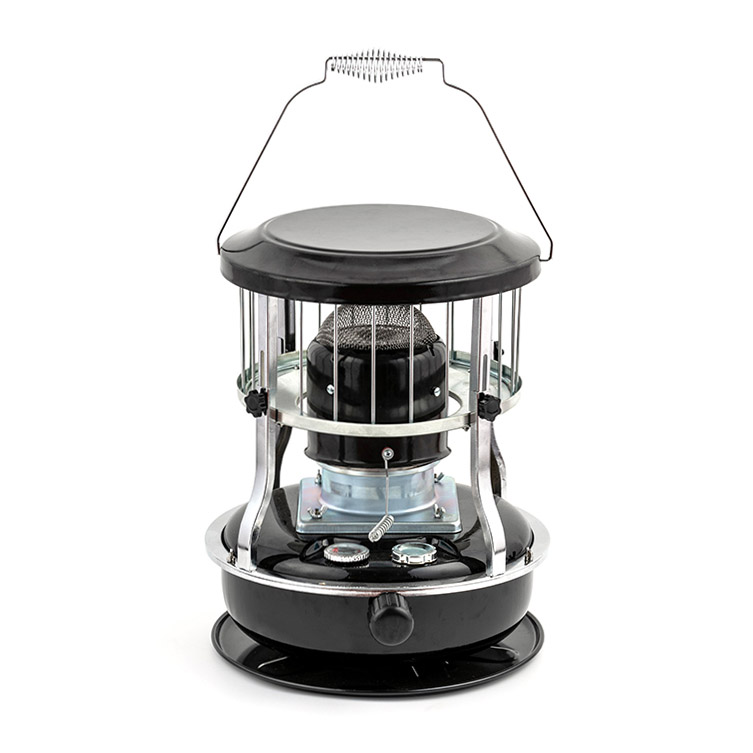
Most people don’t dislike kerosene heaters because they “don’t work.” They dislike them because of the stress that comes with using them.
Here are the most common complaints—and why they happen:
-
Lingering odor: Often caused by lighting/shutdown technique, fuel quality, wick condition, and incomplete combustion.
-
Indoor air concerns: Combustion creates gases and particles; without proper management, they accumulate indoors.
-
Condensation on windows: Combustion produces water vapor; in a closed room, humidity rises quickly.
-
Headaches or irritation: Can be triggered by poor ventilation, fuel smell, or combustion byproducts.
-
“Am I using it safely?” anxiety: Unclear rules about spacing, ventilation, and daily checks make people nervous.
A Metal Chimney Kerosene Heater is aimed at users who want kerosene’s reliability but want a cleaner-feeling indoor experience
through more controlled exhaust handling.
What Makes a Metal Chimney Kerosene Heater Different?
The main difference is simple in concept: the heater is configured so that the combustion pathway and exhaust management are more deliberate.
A metal chimney (or flue) provides a structured route for hot gases to move away from the occupied space.
In practical terms, users often notice improvements in three areas:
-
Air feels “less heavy” over long runs: Because the byproducts are less likely to linger in the room when the setup is correct.
-
Odor becomes easier to control: Especially when combined with clean fuel, proper wick care, and calm lighting/shutdown routines.
-
Moisture can be easier to manage: While combustion still creates water vapor, better airflow strategy reduces “sealed room” humidity spikes.
Important note: any fuel-burning heater must be used responsibly. A metal chimney design can reduce certain problems,
but it does not eliminate the need for ventilation, monitoring, and careful operation.
Who Should Consider This Type of Heater?
A Metal Chimney Kerosene Heater tends to be a strong fit when your priority is dependable heat with a more comfortable indoor feel.
Consider it if you’re in one (or more) of these situations:
-
Cold winters with occasional outages: You want a backup heat source that doesn’t depend on the grid.
-
Workshops and garages: You need real heat output and don’t want the space to smell like fuel all day.
-
Cabins, off-grid rooms, or temporary housing: You need a heating plan that can run on stored fuel.
-
People sensitive to smell or stale air: You want to reduce “kerosene heater fatigue.”
On the other hand, if your space is extremely small, has no safe ventilation route, or is tightly packed with flammables,
you may be better served by an alternative heating solution.
Sizing and Heat Planning Without Guesswork
“Bigger” isn’t automatically “better.” Oversizing can make rooms uncomfortably hot and encourages people to crack doors/windows in a way that
wastes fuel and creates drafts. Undersizing leads to long runtimes and disappointment.
A practical sizing approach
-
Start with the room use: living room comfort heat, emergency heat, or intermittent workshop heat all have different expectations.
-
Consider insulation and drafts: Older windows and poor seals can double your effective heating needs.
-
Plan for zoning: Heating one or two key rooms during an outage is often smarter than trying to heat the whole home.
If you’re unsure, aim for a heater that can comfortably handle your primary target space without running at extremes.
The goal is stable heat output and predictable operation—not constant adjustment.
Placement and Setup Checklist
Comfort and safety both start with setup. Use this checklist as a practical baseline, and always follow the specific product manual and local rules.
-
Stable, non-combustible base: Keep the unit level to support clean combustion.
-
Clearance zone: Maintain generous distance from curtains, furniture, cardboard, solvents, and clutter.
-
Traffic control: Place it where people won’t brush against it—especially kids and pets.
-
Ventilation plan: Even with a metal chimney design, plan for fresh-air exchange. “A little” is usually better than “none.”
-
Detection and readiness: Use a carbon monoxide alarm and keep a fire extinguisher accessible.
-
Fuel storage discipline: Store kerosene in appropriate containers, away from living space and ignition sources.
If you want a clean, low-stress experience, treat placement as part of the product—not an afterthought.
Daily Operation Habits That Reduce Odor and Risk
Most “kerosene smells” are not mysterious. They’re usually the result of rushed lighting, rushed shutdown, old fuel, or a wick that’s overdue for care.
These habits help your Metal Chimney Kerosene Heater run more smoothly:
Fueling habits
-
Fuel only when the heater is off and fully cooled.
-
Use clean, appropriate kerosene and avoid mixing fuels.
-
Wipe any drips immediately and keep a dedicated funnel for kerosene only.
Lighting habits
-
Light the heater in a calm, controlled way—rushing increases smoke and odor.
-
Allow it to stabilize before making adjustments.
-
If you smell strong odor during steady operation, stop and diagnose: wick condition, ventilation, and fuel quality are your first checks.
Shutdown habits
-
Follow the correct shutdown procedure instead of “snuffing” abruptly.
-
Let the unit cool completely before moving, refueling, or storing.
These routines sound basic, but they’re exactly what separates “this is awful” from “this is reliable and comfortable.”
Maintenance That Actually Extends Service Life
The best time to deal with a problem is before you smell it. A simple maintenance routine keeps performance steady and reduces nuisance issues.
Weekly (or every extended use cycle)
-
Visually inspect for soot, unusual residue, or signs of fuel leakage.
-
Check that the unit remains stable and level.
-
Confirm alarms are functional and not expired.
Monthly (or after heavy seasonal use)
-
Inspect wick condition and follow the recommended cleaning or replacement schedule.
-
Check connections and fittings along the chimney path for secure fit and cleanliness.
-
Clean accessible surfaces to prevent dust from burning onto hot components.
Seasonal storage
-
Empty or manage fuel per product guidance to reduce stale-fuel issues.
-
Store in a dry place to reduce corrosion risk.
-
Before next season, do a full pre-check instead of “lighting and hoping.”
Comparison Table: Metal Chimney vs Other Heating Options
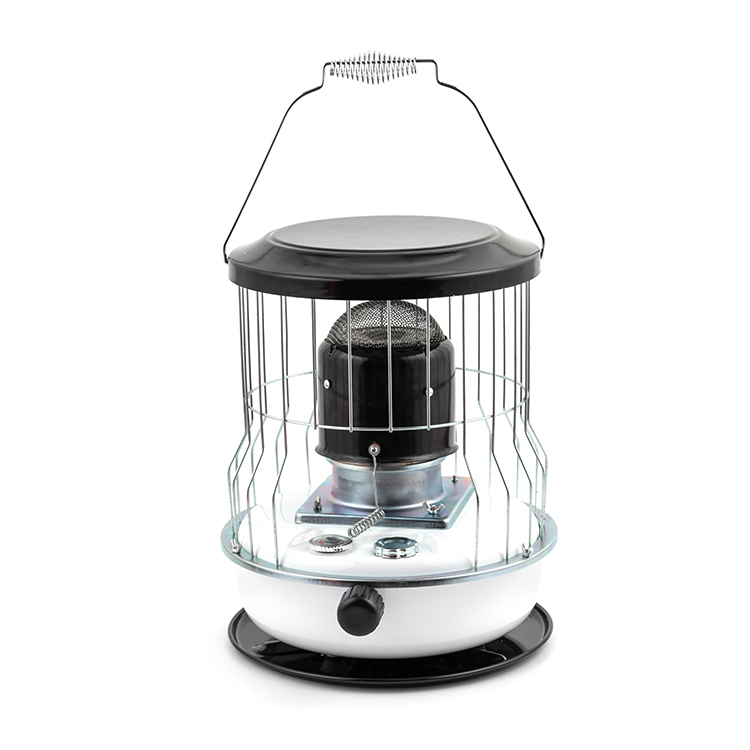
Every heating method has tradeoffs. This table helps you decide based on your real-life constraints, not ideal conditions.
|
Option
|
Strengths
|
Typical Pain Points
|
Best For
|
|
Metal Chimney Kerosene Heater
|
Strong heat output; fuel-based independence; improved comfort when exhaust is managed well
|
Requires correct setup and habits; maintenance matters; still needs ventilation and monitoring
|
Outages; workshops; cabins; winter backup heating with comfort priority
|
|
Non-vented kerosene heater
|
Simple setup; portable; good short-term heat in a pinch
|
Odor and moisture build-up; air can feel stale; more anxiety for sensitive users
|
Short emergency use; well-ventilated spaces; users comfortable with strict routines
|
|
Electric space heater
|
No combustion; low odor; easy daily use
|
Dependent on power; may struggle in large/drafty rooms; can be costly to run
|
Everyday spot heating when electricity is reliable
|
FAQ
Q: Does a Metal Chimney Kerosene Heater completely remove odor?
A: It can significantly reduce odor when the heater is operated correctly, the fuel is clean, and the wick is maintained. Odor is often a symptom of startup/shutdown technique or incomplete combustion, so habits still matter.
Q: Do I still need ventilation if the heater has a metal chimney?
A: Yes. Any fuel-burning appliance should have an intentional fresh-air strategy and monitoring. A chimney path helps manage exhaust, but safe use still includes ventilation and alarms.
Q: Why do my windows get wet when I run kerosene heat?
A: Combustion produces water vapor. In a closed space, humidity rises and condenses on cold glass. Managing airflow and avoiding oversizing helps reduce this issue.
Q: What causes soot or a smoky smell?
A: Common causes include an aging wick, contaminated fuel, poor airflow, or lighting/shutdown done too aggressively. Stop using the heater and address the cause before continuing.
Q: Is it okay to use kerosene heat overnight?
A: Follow the product manual and local safety guidance. If overnight use is allowed by the manufacturer, treat monitoring, placement, and alarms as non-negotiable, and never block ventilation.
Q: How do I choose a reliable supplier for this product type?
A: Look for clear product documentation, consistent manufacturing details, accessible support, and straightforward safety guidance. A supplier that communicates operational limits and maintenance requirements is usually more trustworthy than one that only promises “maximum heat.”
About the Product and Manufacturer
If you’re researching a Metal Chimney Kerosene Heater for winter backup heating or off-grid comfort, Ningbo Zhongze Electronics Co., Ltd. offers this category of solution with a focus on practical usability—stable heating,
clearer operating guidance, and a product structure designed around more controlled exhaust handling.
The right heater is the one you can operate confidently every day, not just the one that looks powerful on paper.
Final Takeaway
The best heating plan is the one that keeps you warm and keeps your mind calm. A Metal Chimney Kerosene Heater can be a strong answer
when you want reliable heat with fewer comfort compromises—especially during outages, winter storms, or in spaces where electricity isn’t guaranteed.
If you want help choosing a configuration for your space and use case, contact us to discuss practical options and get product support that matches your needs.