When winter hits—or when the power goes out at the worst possible time—backup heat stops being a “nice to have” and turns into a real comfort-and-safety need. A Glass Chimney Kerosene Heater is popular for one simple reason: it can provide steady warmth without relying on electricity, while letting you visually monitor the flame through the glass chimney.
In this guide, I’ll walk through what makes a Glass Chimney Kerosene Heater different, how to pick the right option, how to reduce odor and soot, and how to use it responsibly. I’ll also mention how manufacturers like Ningbo Zhongze Electronics Co., Ltd. approach design and build considerations for this style of heater, so you can evaluate products with a more informed eye.
Abstract
A Glass Chimney Kerosene Heater combines a classic wick-based heating design with a glass chimney that supports stable airflow and makes flame behavior easier to observe. Buyers often worry about odor, indoor air quality, maintenance, and safety. This article breaks down the most common pain points (and realistic fixes), provides a selection table, offers step-by-step usage and care tips, and ends with a practical checklist plus an FAQ section for quick decision support.
Table of Contents
-
Outline
-
Glass Chimney Kerosene Heater Basics
-
Why the Glass Chimney Matters
-
Common Buyer Pain Points and Practical Fixes
-
Safety First: Ventilation, Placement, and Fuel Handling
-
How to Choose the Right Model for Your Space
-
Maintenance That Keeps Heat Steady and Odor Low
-
Real-World Use Cases
-
Storage and Off-Season Care
-
What to Look for from a Manufacturer
-
FAQ
-
Final Checklist and Next Steps
Outline
-
Define what a Glass Chimney Kerosene Heater is and how it produces heat
-
Explain why the glass chimney affects stability, visibility, and user confidence
-
Address buyer concerns: smell, soot, safety, indoor comfort, maintenance cost
-
Provide a decision table for choosing the right heater type and feature set
-
Share realistic maintenance routines that prevent most common issues
-
Offer a practical checklist and FAQ for fast answers
Glass Chimney Kerosene Heater Basics
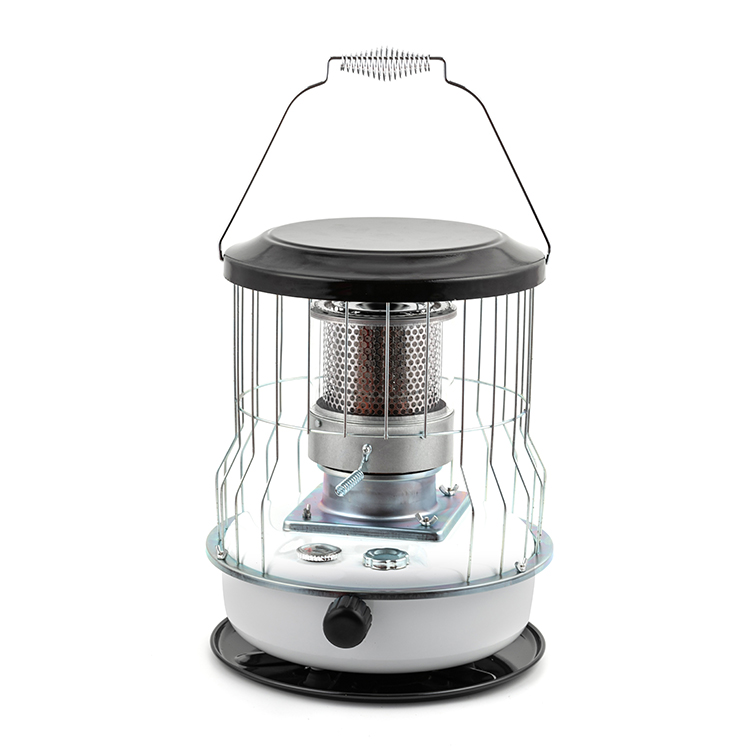
At its core, a Glass Chimney Kerosene Heater is a liquid-fuel heater that uses a wick to draw kerosene upward. When the wick is lit, the fuel vaporizes and burns, producing heat. Most models radiate warmth outward and also warm the surrounding air through convection (warm air rising and circulating).
The “glass chimney” element is more than a visual detail. In many designs, the chimney helps guide airflow and protects the flame area while allowing you to see whether the burn is clean and stable. That visibility matters: it can help you notice issues early—like a wick set too high, uneven burning, or a draft problem—before odor or soot becomes a bigger headache.
-
Fuel source: Kerosene (use the type recommended by the manufacturer)
-
Ignition: Often manual or built-in ignition mechanisms depending on the model
-
Heat output style: Radiant + convective warmth
-
Best-fit scenarios: Backup heating, workshops, cabins, emergency preparedness
Why the Glass Chimney Matters
If you’ve ever used a fuel heater that felt “finicky,” you already understand why controlled airflow is important. The glass chimney can support more predictable airflow around the flame area while also providing a protective barrier from accidental contact.
From a user perspective, the biggest advantage is simple: I can see what’s going on. A clean, steady flame tends to look consistent—no aggressive flickering, no dark smoke, no uneven “hot spots.” That visual feedback is valuable if you’re trying to keep odor low and performance stable.
-
Confidence through visibility: Flame observation helps you adjust before problems grow
-
Draft management: The chimney shape can help reduce random air disturbance around the flame zone
-
Perceived safety and control: Users often feel more comfortable when the burn looks stable
Common Buyer Pain Points and Practical Fixes
Let’s be honest: most people don’t avoid kerosene heaters because they “don’t like the idea.” They avoid them because of very specific fears—odor, soot, indoor air worries, and safety anxiety. The good news is that many problems come from a handful of preventable mistakes.
-
Pain point: “I’m worried it’ll smell bad.”
Fix: Use clean fuel, avoid overfilling, and let the wick burn in properly. Most strong odor complaints happen when the wick is too high, the fuel is low-quality, or the heater is moved while hot.
-
Pain point: “I don’t want soot on walls or ceilings.”
Fix: Keep the flame at the recommended height and avoid drafts. A too-high wick or strong cross-breeze can cause incomplete combustion and visible soot.
-
Pain point: “Is it safe indoors?”
Fix: Use ventilation and a carbon monoxide alarm. Any combustion appliance needs thoughtful airflow. Treat that as non-negotiable.
-
Pain point: “Maintenance sounds annoying.”
Fix: A simple routine prevents 80% of issues: wick care, clean the burner area, and store fuel correctly.
-
Pain point: “I’m not sure what features actually matter.”
Fix: Focus on stability, ease of adjustment, spill-resistant design, and clear instructions—not gimmicks.
Safety First: Ventilation, Placement, and Fuel Handling
I’m going to be firm here: treat safety like part of the product, not an optional accessory. A Glass Chimney Kerosene Heater can be a reliable tool, but only if you respect that it’s an open-flame combustion device.
-
Ventilation is mandatory: Crack a window or ensure airflow according to the heater’s instructions.
-
Use a carbon monoxide alarm: Place it in the recommended area for your home layout.
-
Stable placement: Keep the heater on a level, heat-resistant surface away from walkways.
-
Clearance matters: Keep distance from curtains, bedding, paper, furniture, and anything that can ignite.
-
Fuel handling discipline: Refuel only when the heater is off and cool. Wipe spills immediately.
-
Never move a hot heater: This is a top cause of flare-ups and odor events.
-
Keep kids and pets in mind: Use barriers if needed and avoid placing it in “traffic zones.”
How to Choose the Right Model for Your Space
Choosing the “best” heater isn’t about chasing the biggest number on a spec sheet. It’s about matching your room, usage pattern, and comfort expectations. Use the table below as a practical way to narrow down what you actually need.
|
Your Situation
|
What to Prioritize
|
Why It Matters
|
Common Mistake to Avoid
|
|
Small room backup heat
|
Easy flame control, stable base, clear instructions
|
Comfort without overheating or smoking
|
Running too hot “just in case”
|
|
Workshop / garage
|
Durable build, easy cleaning access, reliable ignition
|
Dust and airflow changes can affect combustion
|
Placing near solvents, paint, or sawdust piles
|
|
Cabin / off-grid use
|
Portability, fuel efficiency mindset, spare parts availability
|
You’ll want predictable upkeep and supply planning
|
Not testing it before an emergency
|
|
Emergency preparedness
|
Simple operation, stable burn, safe storage plan
|
Stress situations require easy, repeatable steps
|
Storing fuel improperly or forgetting wick care
|
If you’re comparing multiple options, I also recommend looking for practical usability details: smooth wick adjustment, a readable fuel gauge (if included), and a design that makes cleaning realistic. The best heater is the one you can operate safely when you’re tired, cold, and annoyed—because that’s exactly when you’ll need it.
Maintenance That Keeps Heat Steady and Odor Low
Most “kerosene heater horror stories” come from skipped maintenance or rushed operation. The routine below is simple, and it pays you back with cleaner burning and fewer surprises.
-
Wick break-in matters: A new wick often needs a proper first burn cycle to stabilize. Follow the instructions instead of improvising.
-
Keep the wick at the right height: Too high can smoke; too low can underperform or burn unevenly.
-
Clean the burner area: Dust and residue can interfere with airflow and flame quality.
-
Use clean fuel and clean containers: Contamination is a quiet cause of odor and poor combustion.
-
Check the glass chimney condition: Keep it clean and inspect for damage before use.
-
Know when to replace parts: Wicks are consumables. Planning for that makes the heater more reliable long-term.
One practical habit I like: after turning the heater off, I give it a few minutes of “observation time” (from a safe distance). If the shutdown looks normal and there’s no unusual odor, I know the next start-up is less likely to be dramatic.
Real-World Use Cases
A Glass Chimney Kerosene Heater isn’t just for one type of customer. I see three common use cases where this design tends to make sense:
-
Home backup heat: Useful during outages, especially when you need a simple solution that doesn’t depend on the grid.
-
Workspaces and hobby areas: Comfortable warmth in a garage or workshop, as long as you respect airflow and keep flammables far away.
-
Seasonal structures: Cabins, hunting shelters, or temporary spaces where portability and independence matter.
The key is matching expectations: this is not a “set it and forget it” device like central heating. It’s more like a reliable tool—one you use with intention.
Storage and Off-Season Care
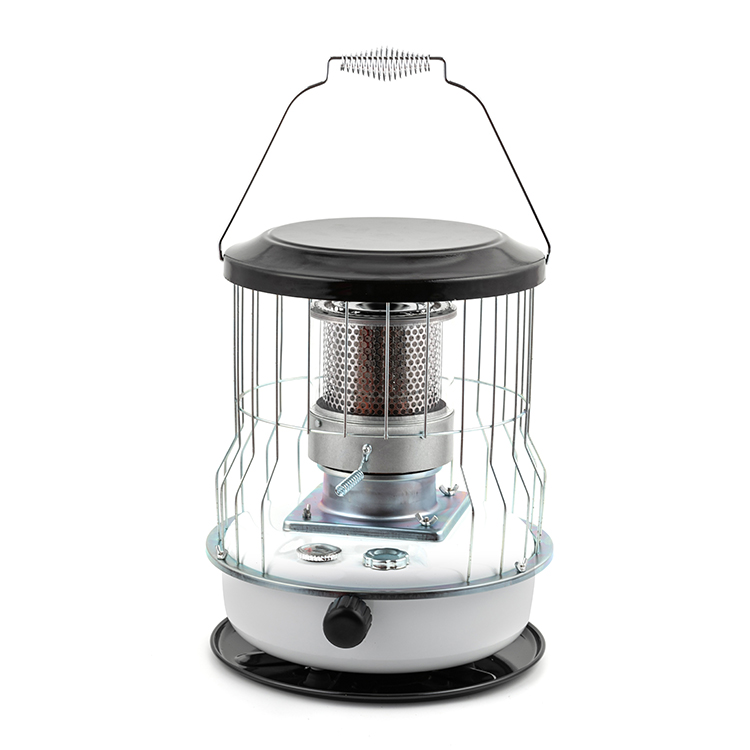
Off-season care is where responsible owners quietly win. Proper storage reduces odor issues, extends wick life, and makes the first cold-night startup smoother.
-
Store fuel safely: Use approved containers and keep them away from heat sources and living areas.
-
Empty or manage fuel per instructions: Some users prefer to empty the heater before long storage to reduce stale fuel issues.
-
Clean before storing: Residue left behind becomes next season’s odor problem.
-
Protect the glass chimney: Avoid impacts; keep it dust-free and covered.
What to Look for from a Manufacturer
Even when two heaters look similar, the experience can be very different depending on how they’re built and supported. This is where a company like Ningbo Zhongze Electronics Co., Ltd. becomes relevant—not because a name alone guarantees quality, but because a capable manufacturer typically invests in consistency, documentation, and long-term usability.
-
Clear operating instructions: The best product education reduces misuse and makes performance more predictable.
-
Replaceable consumables: Wicks and key components should be straightforward to source and swap.
-
Durable materials and stable construction: A steady base, sensible heat shielding, and practical access for cleaning matter more than flashy design.
-
Quality checks that reflect real usage: Tight fit, smooth adjustment, and consistent assembly reduce the “random” problems customers complain about.
If you’re evaluating a supplier, look at how they explain safe operation, how they handle parts support, and whether their product communication feels like it was written for real humans—not for a checkbox.
FAQ
Q: Can a Glass Chimney Kerosene Heater reduce odor compared to other designs?
A: It can help by making flame behavior easier to monitor and by supporting steadier airflow, but odor control still depends heavily on fuel quality, wick condition, and correct flame height.
Q: What usually causes black soot?
A: The most common causes are a wick set too high, strong drafts, dirty components, or contaminated fuel. A clean, steady flame is your best indicator that you’re operating in a good range.
Q: Is it okay to use one in a bedroom?
A: Many people prefer not to. If you do, follow the manufacturer’s guidance strictly, maintain ventilation, and use a carbon monoxide alarm. Safety and airflow are non-negotiable.
Q: How often do I need to replace the wick?
A: It depends on frequency of use, fuel cleanliness, and care habits. If ignition becomes difficult, the flame becomes uneven, or odor increases despite proper adjustment, the wick may be due for replacement.
Q: Does the glass chimney get very hot?
A: Yes. Treat it as a high-temperature surface during operation and cooldown. Keep the heater out of reach of children and pets and avoid accidental contact.
Q: What’s the best way to start using it before an emergency?
A: Test it calmly on a day you don’t “need” it. Practice fueling, lighting, adjusting, and shutdown steps so you’re not learning under stress.
Q: Can I move it while it’s running if I’m careful?
A: Don’t. Moving a hot, operating heater is a common cause of spills, flare-ups, and strong odor events. Turn it off and let it cool first.
Q: What’s the quickest way to avoid the “kerosene smell” reputation?
A: Use clean fuel, don’t overfill, maintain the wick, and run it at a proper flame height. Most odor complaints trace back to shortcuts in those areas.
Final Checklist and Next Steps
-
Choose a heater that matches your room and real usage needs
-
Plan ventilation and set up a carbon monoxide alarm
-
Use clean fuel and handle refueling only when the unit is cool
-
Keep flame height within the recommended range
-
Maintain the wick and clean the unit regularly
-
Practice operation before you depend on it in an emergency
If you’re exploring a dependable Glass Chimney Kerosene Heater solution and want product guidance, documentation support, or supplier-side details from Ningbo Zhongze Electronics Co., Ltd., the fastest move is simple: contact us and tell us your use case (room type, frequency, and any odor/safety concerns). We’ll help you narrow down a safer, more comfortable fit—without the guesswork.